
Honda No-Start & Charging System Guide: Diagnose Clicks, Cranks, Dead Batteries, and Intermittent Starts
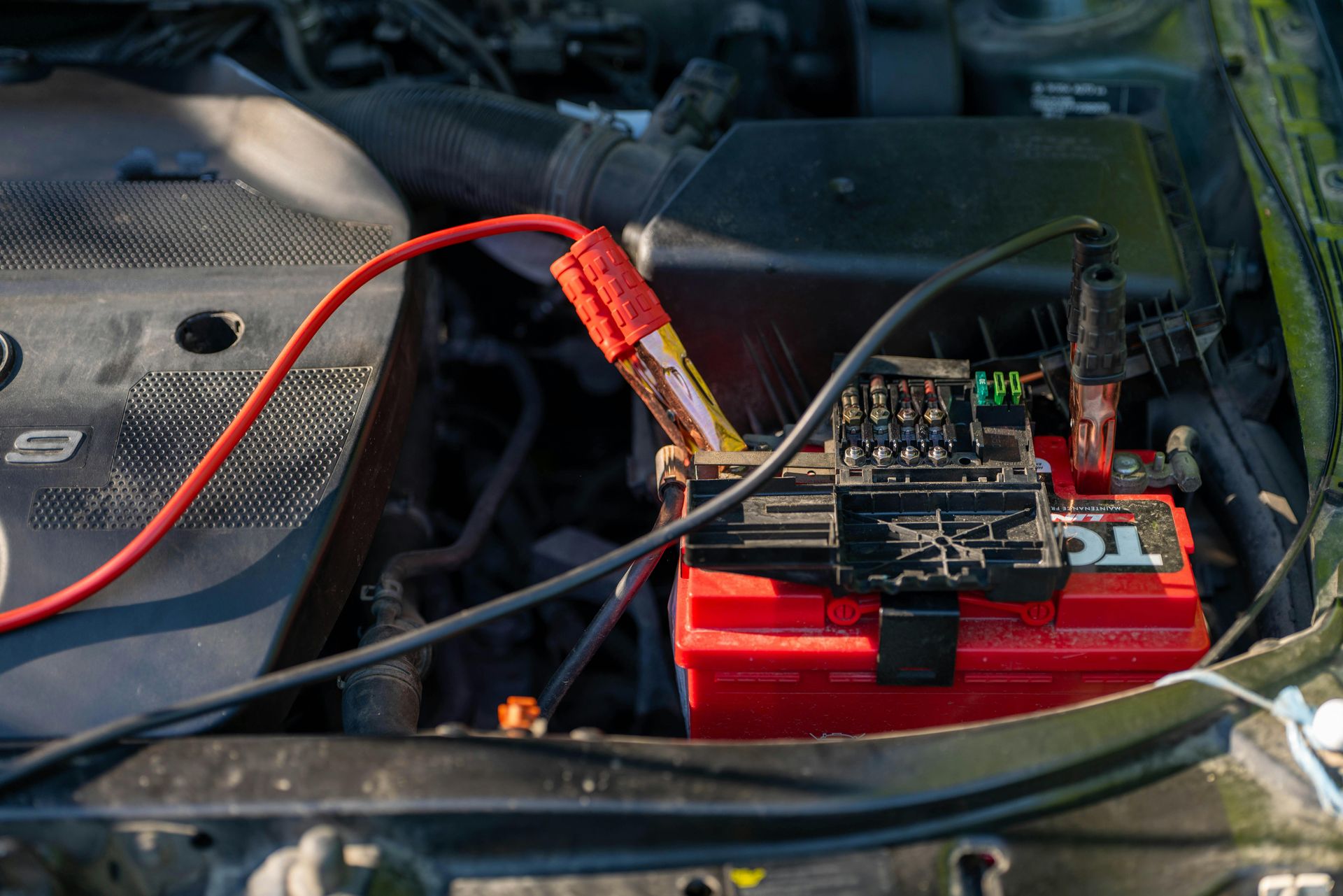
Most Honda no-start complaints fall into a few clear buckets: no crank, slow crank, crank but no start, or starts then dies. The right repair path depends on what happens when you turn the key or press the start button. A clicking sound may point toward power delivery, while a normal crank with no start may involve ignition or sensor inputs. This guide helps you sort the symptoms before buying starter, alternator, ignition, or related electrical parts.
Start with the symptom that matches your Honda:
- No crank, clicking, slow crank, or crank/no-start
- Battery, starter, or alternator confusion
- Starter clicks, grinding, or intermittent starts
- Dead batteries, dim lights, or charging symptoms
- Cranks normally but will not catch
The 4 No-Start Scenarios: Pick Yours First
No Crank, No Sound
If nothing happens, start with basic power and control. A weak battery, loose cable, failed starter circuit, ignition switch issue, brake switch signal, or start button-related concern can all prevent cranking. Do not assume the engine itself is the problem when the starter is not turning it.
Single Click or Rapid Clicking
A single click may point toward a starter, relay, cable, or connection issue. Rapid clicking often suggests low available voltage, poor battery condition, or a weak connection. The sound pattern matters because it helps separate starter wear from power delivery problems.
Slow Crank or Struggles to Turn Over
A slow crank usually means the starter is trying, but it is not receiving enough usable power or is worn. Battery condition, cable resistance, starter condition, and engine temperature can all affect cranking speed.
Cranks Normally but Won’t Start
If the engine turns at normal speed but does not catch, look beyond the starter. Ignition, electronic ignition components, air measurement, and intake-related sensor inputs may be involved. This guide keeps that section focused so you can avoid turning a simple no-start into a random parts list.
Battery vs Starter vs Alternator: Simple Differentiators
What the Starter Does vs What the Alternator Does
The starter turns the engine so it can begin running. The alternator keeps the electrical system supplied and helps recharge the battery while the engine is running. If the Honda will not crank, the starter system and power supply are the first concern. If it starts but the battery keeps dying, the charging system becomes more suspicious.
For no-crank concerns, review starter replacement parts. For charging issues, shop alternators and generators.
“It Starts With a Jump”
If the vehicle starts with a jump, that usually means extra power helped the starting system work. The cause may still be a weak battery, a poor cable connection, a charging issue, or the starter drawing too much power. A jump-start result is a clue, not a final diagnosis.
“It Dies While Driving”
If the engine dies while driving and the battery later tests low, the charging system may not be keeping up. Dimming lights, flickering electronics, warning lights, or repeated dead batteries can point toward the alternator or charging-related parts.
Starter Problems: Clicks, Intermittent Start, Grinding
Symptoms That Strongly Point to Starter Wear
Starter-related symptoms often include a single click, a grinding sound, intermittent no-crank, or a start that works after several tries. Heat can also make worn starter behavior more noticeable. If the battery and connections are healthy, the starter becomes a stronger suspect.
Connection and Control Checks Before Buying Parts
Before ordering parts, check the basics:
- Confirm the battery has enough power.
- Inspect cable ends and visible grounds.
- Listen for clicking, grinding, or silence.
- Note whether the issue happens hot, cold, or randomly.
- Check whether dash lights behave normally during the start attempt.
What Starter Parts Can Include
Starter service may involve the starter assembly, solenoid-related pieces, mounting hardware, or model-specific components. Use starter replacement parts when diagnosis points to the cranking side of the system.
Alternator & Charging Issues: Battery Keeps Dying, Dimming Lights, Random Electrical Behavior
Common Signs of Poor Charging
Charging issues can look like battery problems. Watch for repeated dead batteries, dim lights, flickering dash illumination, weak electrical accessories, or warning lights after the engine is running. If a new or charged battery becomes weak again, inspect the charging system.
Quick Inspection Points
Look for loose connections, belt condition issues, damaged wiring, unusual alternator noise, or signs that the charging system is inconsistent. The alternator has to work with the battery and wiring, so the full path matters.
When Alternator Subcomponents Matter
Depending on design, charging concerns may involve internal alternator parts, regulator-related pieces, brushes, bearings, or hardware. Review alternators and generators for major replacement planning and alternator internal parts when the repair is focused on supporting components.
When It Cranks But Won’t Catch: Ignition Basics
Spark Plugs
Worn spark plugs can contribute to hard starting, especially during cold starts or when the engine already has a misfire-like symptom. If plugs are old, fouled, or outside service expectations, spark plug replacements may be part of the starting repair plan.
Electronic Ignition Components
Electronic ignition issues can feel like intermittent no-start, misfire, rough start, or sudden failure to catch. Since ignition symptoms can overlap with air and fuel measurement, confirm the symptom pattern before replacing parts. Use electronic ignition components when spark control is the likely issue.
Air Intake & Sensor Inputs That Can Mimic Ignition Problems
Why the Engine Needs Accurate Air Measurement
A cranking engine needs accurate information about airflow and load. If the air measurement is wrong, the engine may start roughly, stall, hesitate, or fail to respond normally after starting.
Intake Sensor Symptoms
Bad sensor readings can cause rough starts, stalling, poor throttle response, or uneven idle. If the diagnosis points to air or intake measurement, review the air intake sensors.
Air Intake Leaks or Restrictions
Loose ducts, cracked intake pieces, restricted airflow, or damaged air cleaner parts can create problems that look like ignition trouble. Check air intake system parts and air cleaner assemblies when the intake path is part of the concern.
“The Dash Looks Weird”: Panel Lights, Switches, and Trim
What to Notice
Warning lights, flickering backlighting, dead display areas, or dim panel illumination can provide clues during a no-start. A dark or unstable dash may point toward power delivery, lighting, or control issues rather than an engine failure.
When a Switch or Control Is the Real Culprit
Some start problems depend on switch signals. Start buttons, ignition switches, brake switch signals, and other controls can affect whether the vehicle allows cranking. When the symptom points to the driver interface, inspect interior switches and controls.
Gauge Trim vs Functional Lighting
Gauge trim pieces are mainly appearance and fitment items, while instrument panel light parts affect nighttime visibility and dash readability. Separate cosmetic concerns from functional electrical issues.
Convenience Electronics: Keep It Separate From No-Start
Bluetooth Kits and Hands-Free Glitches
Phone pairing, audio glitches, or hands-free issues usually do not cause a no-start. However, weak power, poor connections, or electrical instability can make convenience electronics behave strangely. If the goal is modernization, browse Bluetooth hands-free kits.
Cruise Control Units
Cruise control problems are usually separate from a no-start concern, but they can share switches, power feeds, or control inputs. If the diagnosis points there, review the cruise control units.
Safety Callout: Don’t Ignore SRS/Airbag Warnings
Why SRS Faults Should Be Scanned Promptly
An SRS or airbag warning is not the same as a charging or starter problem, but it is still safety-related. If the light appears during electrical troubleshooting, do not ignore it. Use correct safety airbag components only after the fault is identified and fitment is confirmed.
Fitment & Buying Tips
Match by Vehicle Details
Before ordering, confirm:
- Year, model, trim, and engine.
- Starting system type.
- Connector style and mounting design.
- Manual or automatic application where relevant.
- Production notes or option differences.
OEM vs Aftermarket Considerations
Reliability depends on fit, connector quality, mounting accuracy, and compatibility. A starter or alternator that looks close may still be wrong if the plug, output, case, or hardware does not match.
When to Replace Related Items Together
Related parts may be worth inspecting together when:
- A starter has failed, and related hardware is worn.
- An alternator concern includes damaged connectors or supporting parts.
- Panel lighting issues appear with switch or control problems.
- Hard starting overlaps with worn plugs and intake sensor symptoms.
FAQ
Clicking but No Crank: Starter or Battery?
Rapid clicking often points toward low battery power or a poor connection. A single click with a strong battery can point more toward the starter circuit. Check power and cables first.
Battery Keeps Dying: Alternator or Parasitic Draw?
It could be either. If the battery dies after driving, the charging output may be weak. If it dies while parked, a draw may be involved. Battery condition should also be checked.
Hard Starting but Runs Fine After: Spark Plugs or Sensor?
Both are possible. Worn plugs can affect cold starts, while bad sensor readings can affect start-up fuel and air decisions. The pattern after warm-up helps narrow it down.
Do Dash Lights Indicate Anything About Starting Problems?
Yes. Dim, flickering, or dead dash lights can point toward low voltage, poor connections, switch issues, or panel illumination problems. Watch what the dash does during the start attempt.
Wrap-Up + Next Steps
Honda no-start diagnosis works best when you identify the scenario first: no crank, clicking, slow crank, normal crank with no start, or starts then dies. From there, move through power delivery, starter operation, alternator charging, ignition basics, intake sensor inputs, and driver controls. Use the linked categories for starter replacement parts, alternators and generators, spark plug replacements, electronic ignition components, and interior switches and controls based on the exact symptom your Honda has.